16 larder fridges compared, sold by Electrical Discount UK or Electricshop
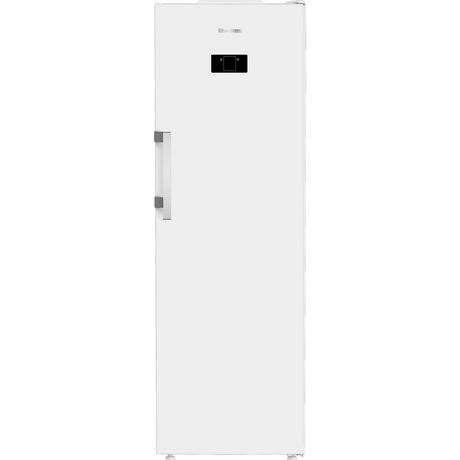
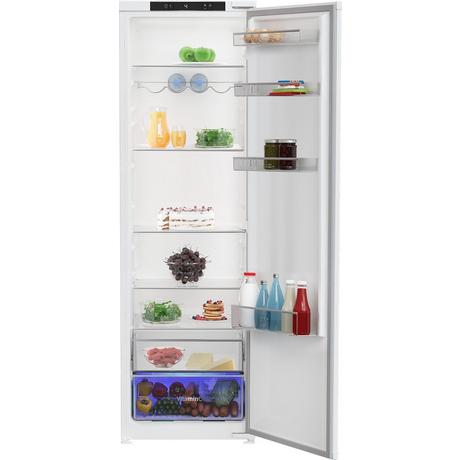
The right fridge temperature is between 0°C and 5°C. Most kitchens do best with the dial or display set to around 3 or 4°C. That keeps milk, meat and leftovers cold enough to slow harmful bacteria without freezing your salad. The larder fridges listed here all have a digital display or touch control, so you can see the temperature and change it without guessing. They're sold by Electrical Discount UK and suit anyone replacing an old fridge with a vague dial. Prefer a full height model? Our tall fridges page has the biggest choice, while our integrated larder fridges hide behind a kitchen door.
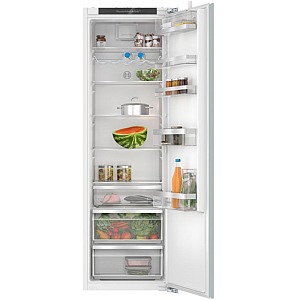
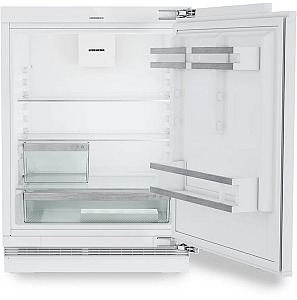
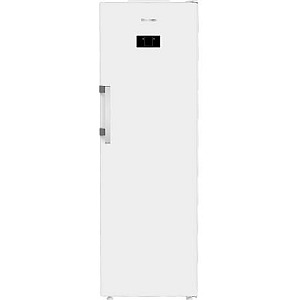
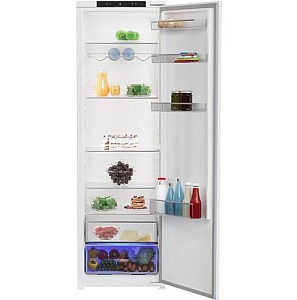
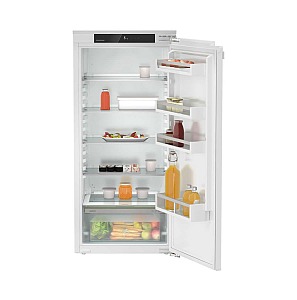
Why it ranks here: low price per litre, energy class D, 3-year guarantee.
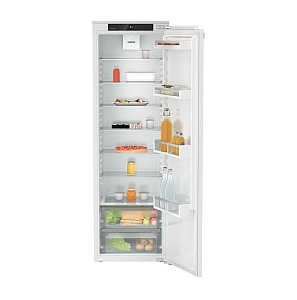
Why it ranks here: low price per litre, energy class E, 2-year guarantee.
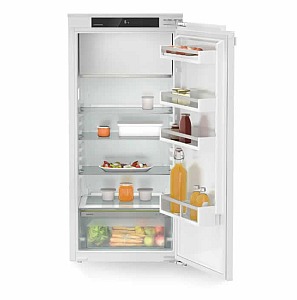
Why it ranks here: low price per litre, energy class D, 1-year guarantee.
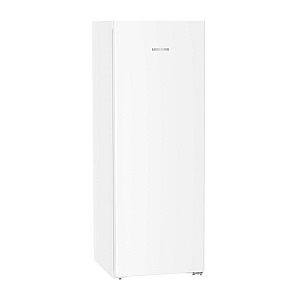
Why it ranks here: no capacity listed, energy class E, 5-year guarantee.
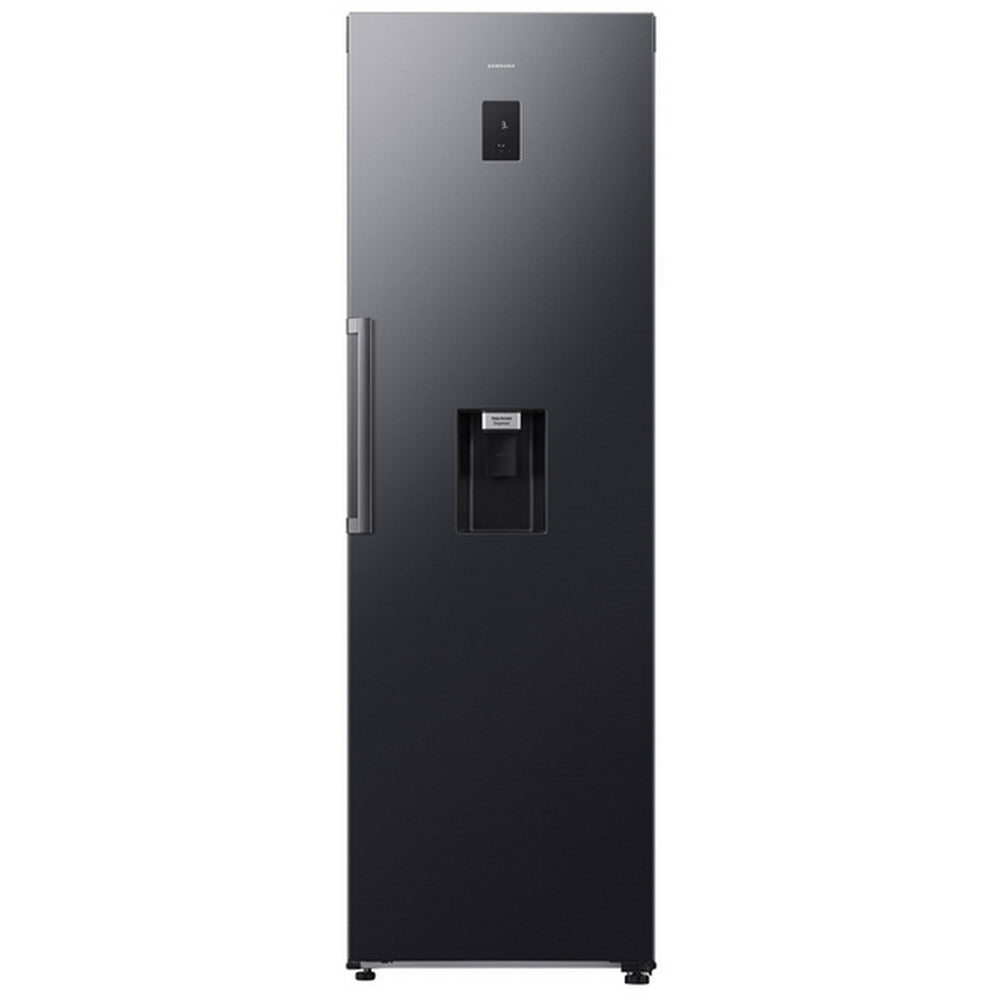
Why it ranks here: mid-range price per litre, energy class E, 5-year guarantee.
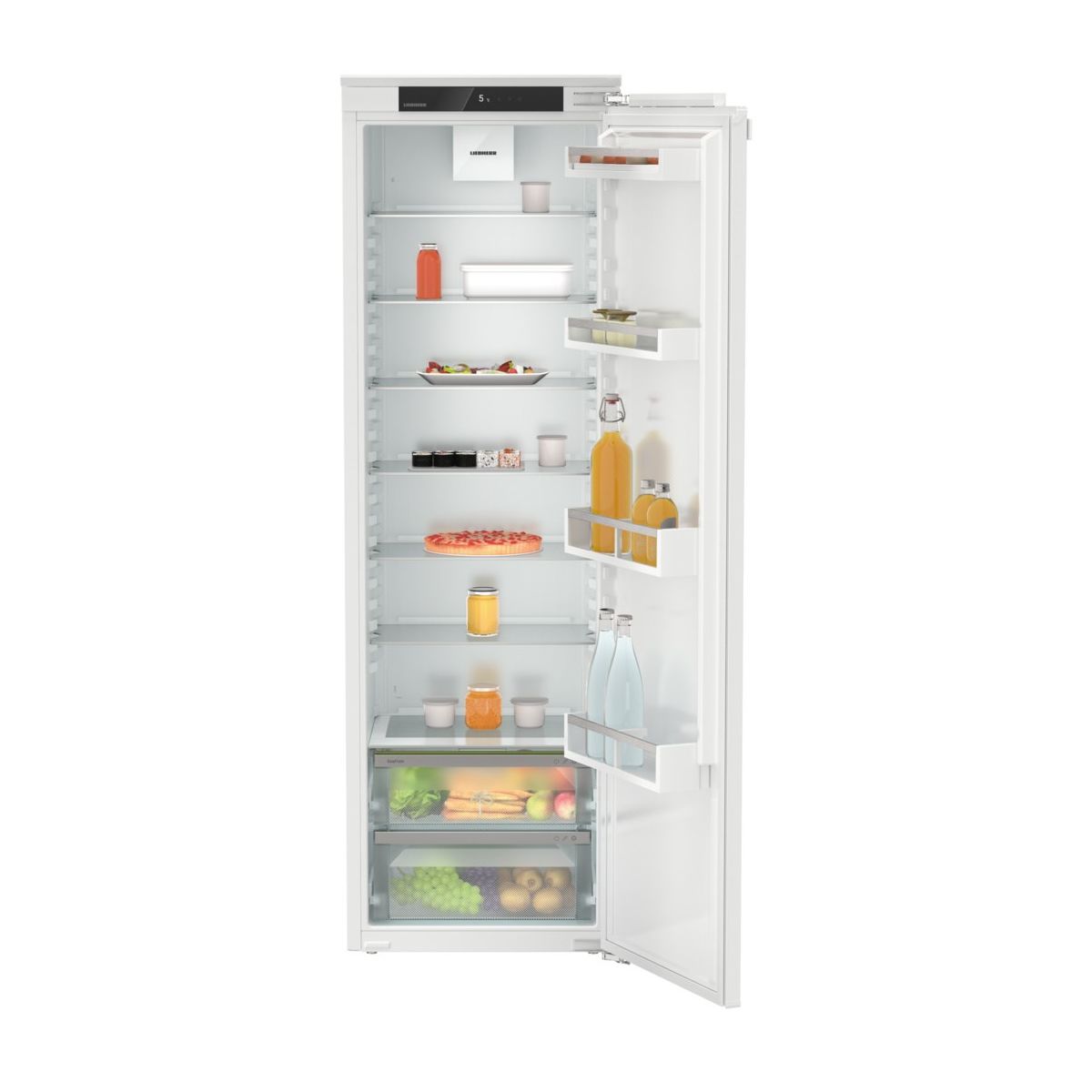
Why it ranks here: mid-range price per litre, energy class E, 1-year guarantee.
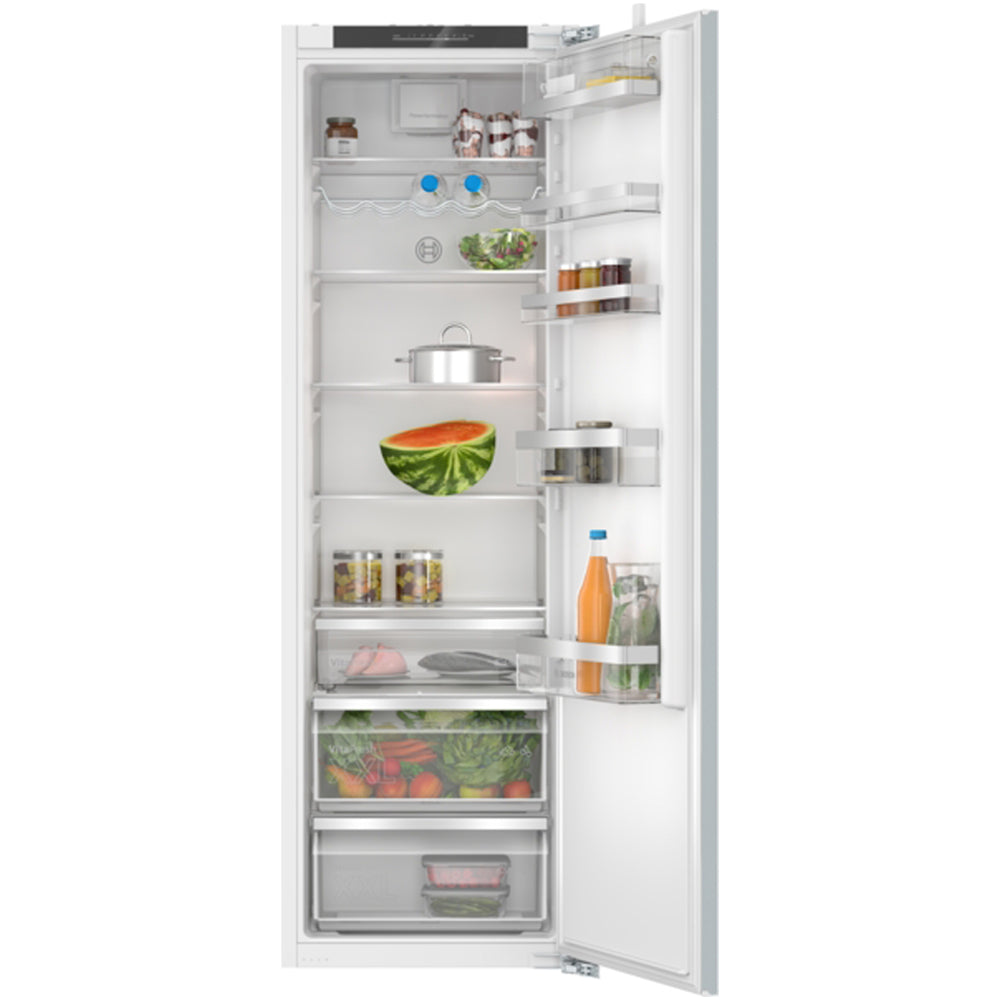
Why it ranks here: higher price per litre than most, energy class D, no guarantee length listed.
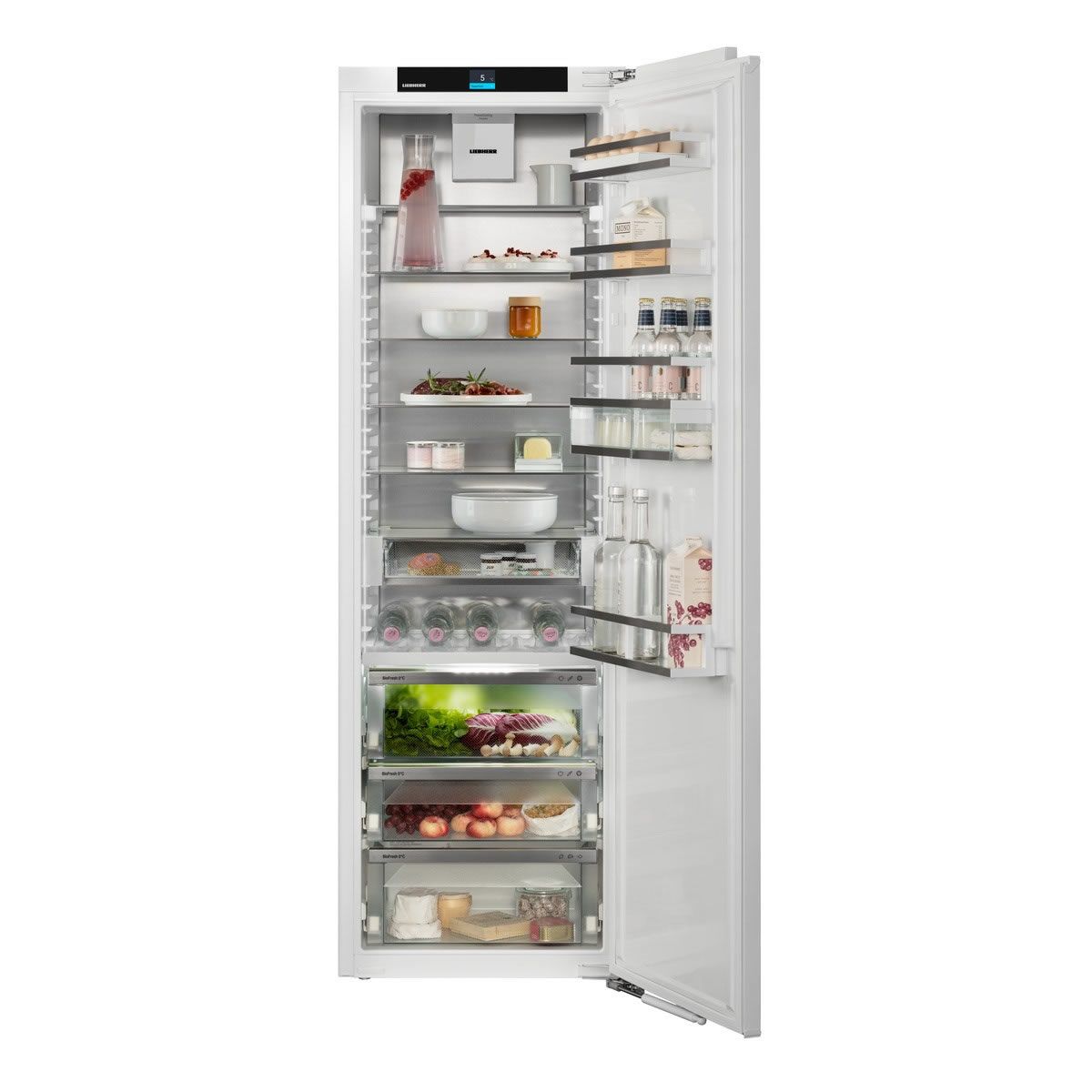
Why it ranks here: higher price per litre than most, energy class D, 1-year guarantee.
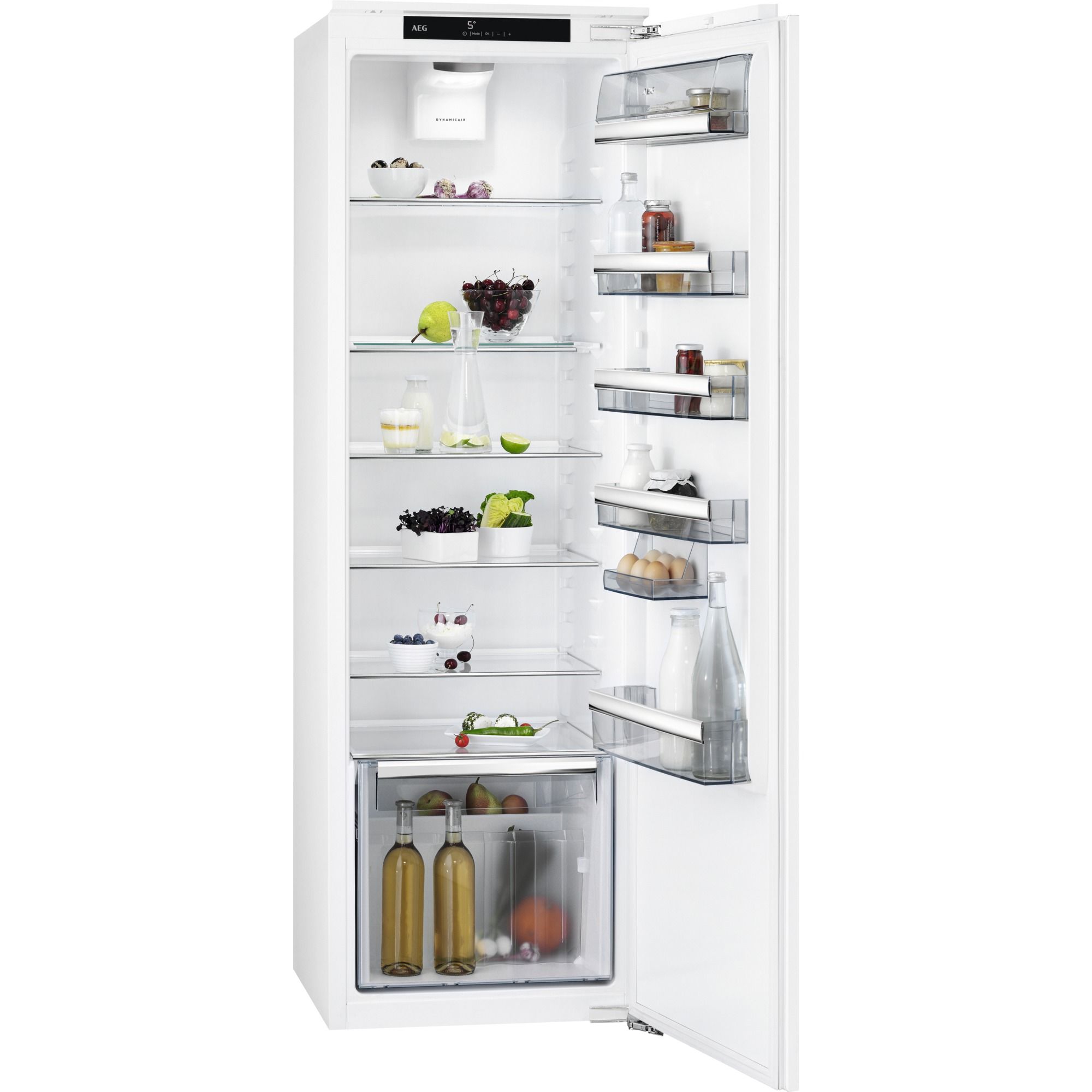
Why it ranks here: higher price per litre than most, energy class E, 2-year guarantee.
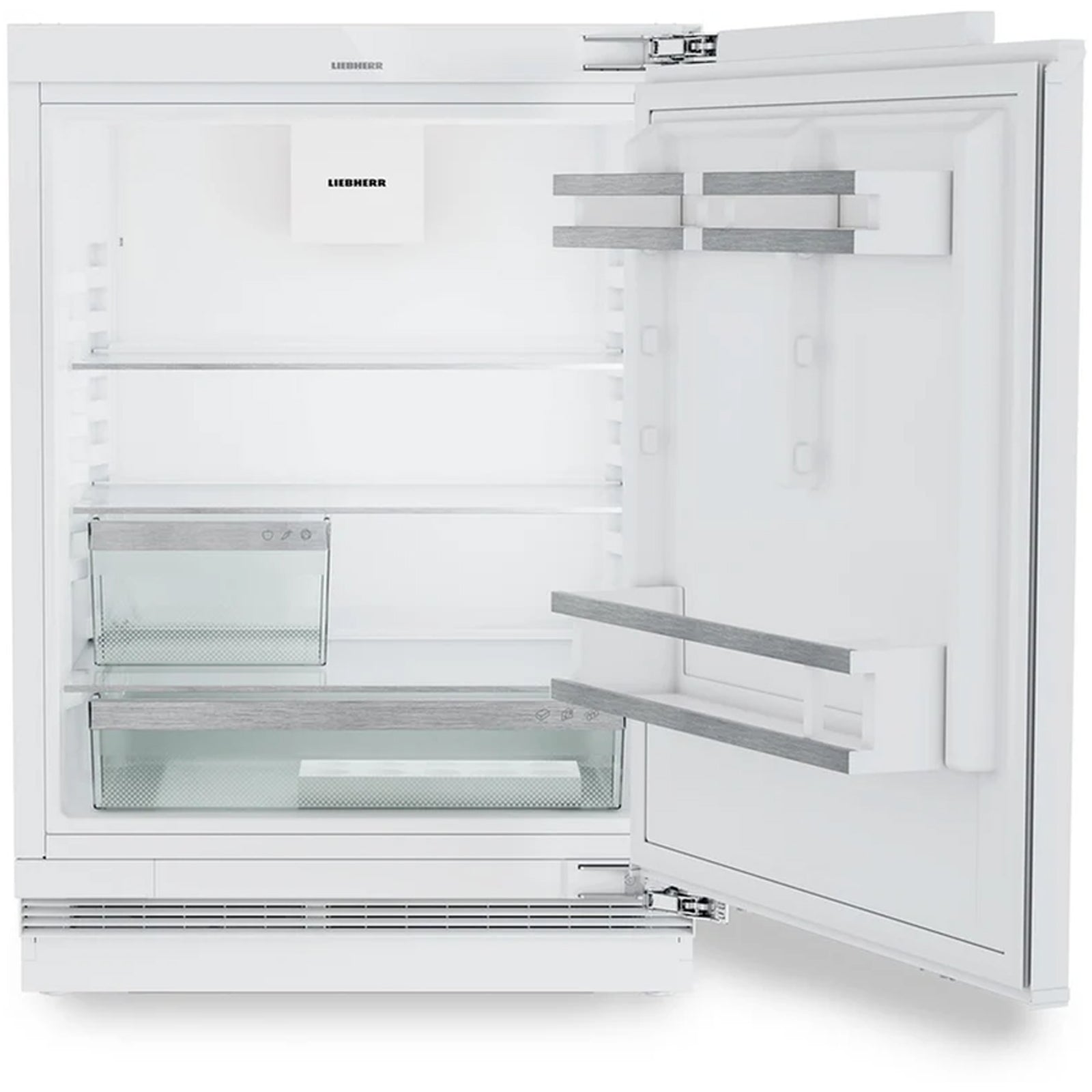
Why it ranks here: low price per litre, energy class C, 10-year guarantee.
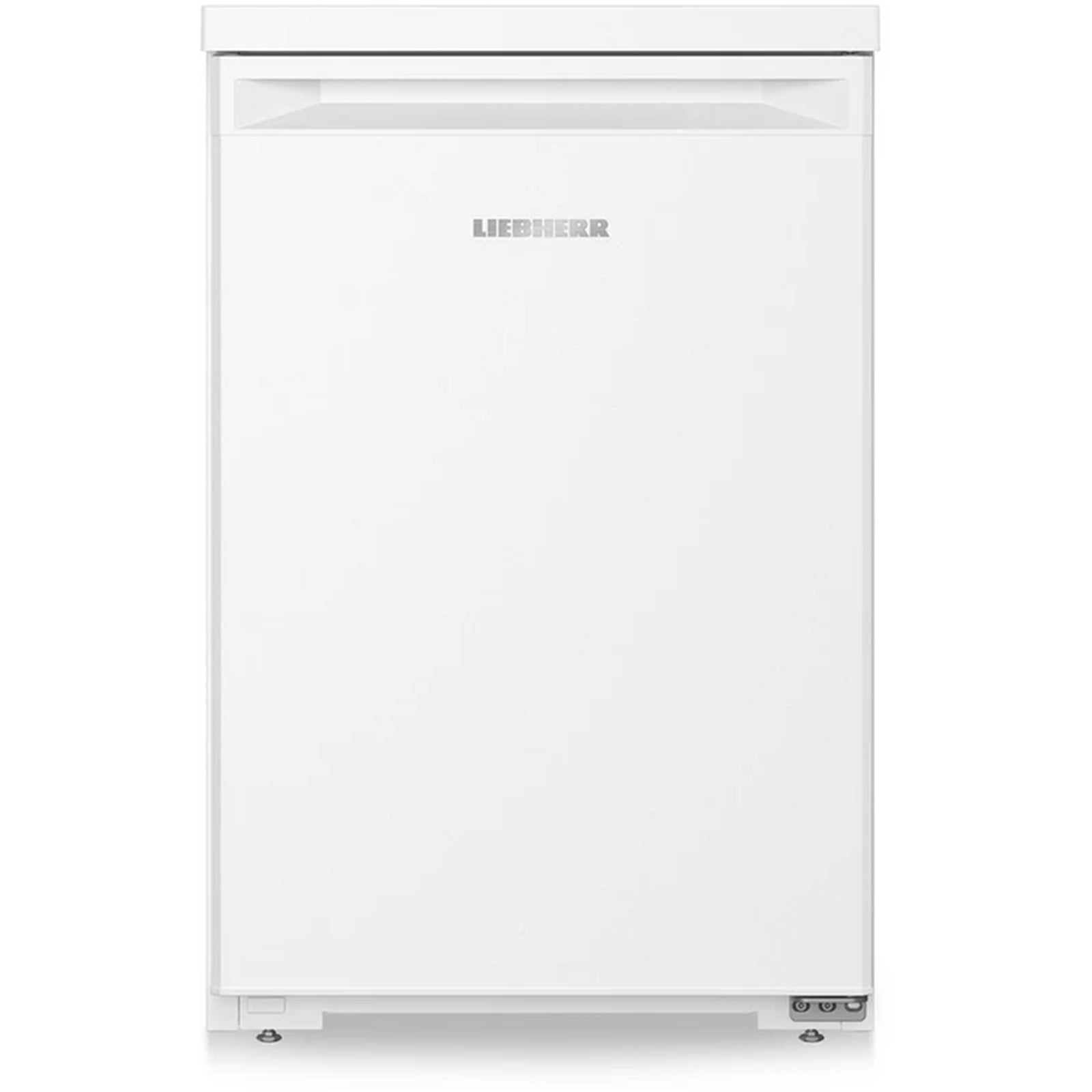
Why it ranks here: low price per litre, energy class D, no guarantee length listed.
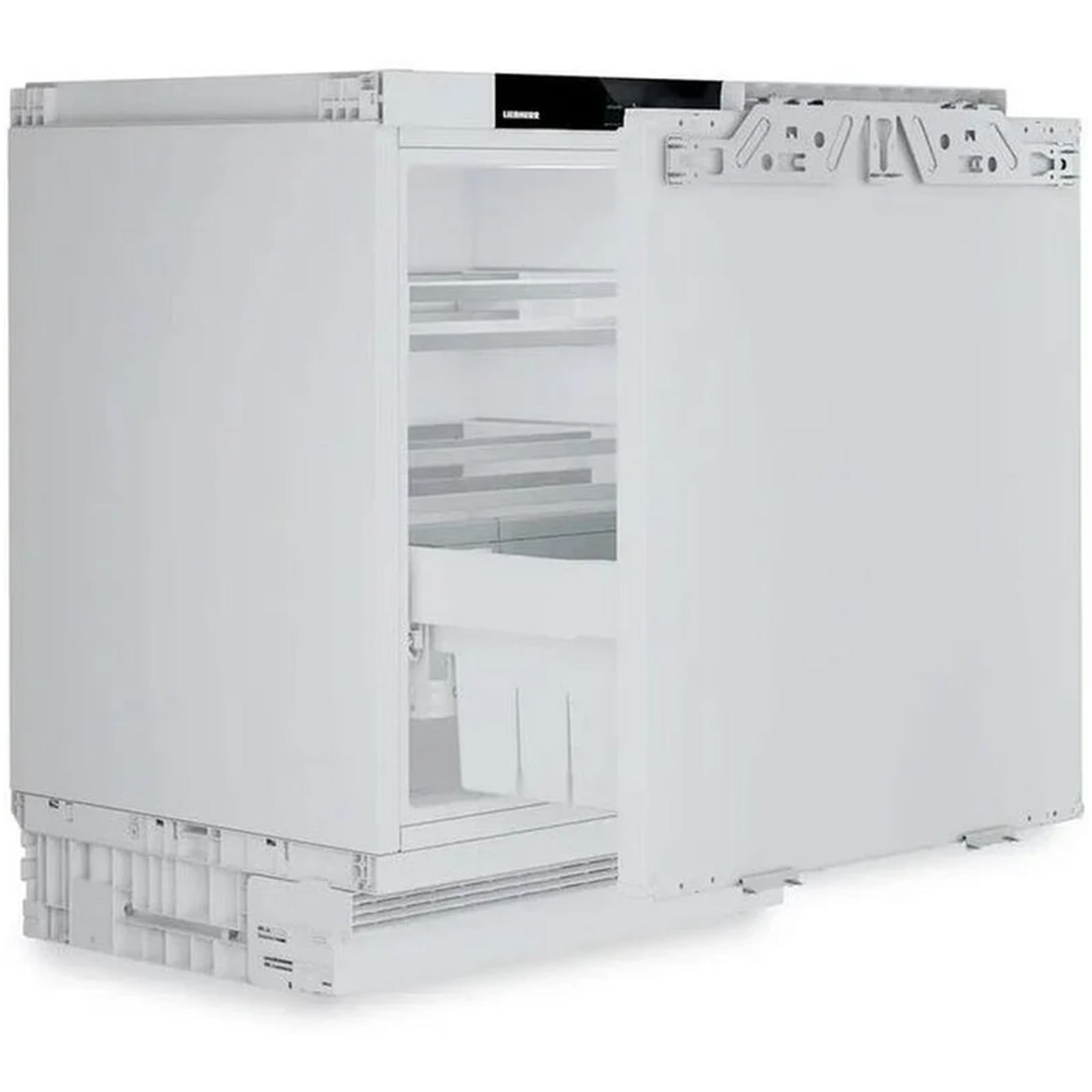
Why it ranks here: higher price per litre than most, energy class D, 10-year guarantee.
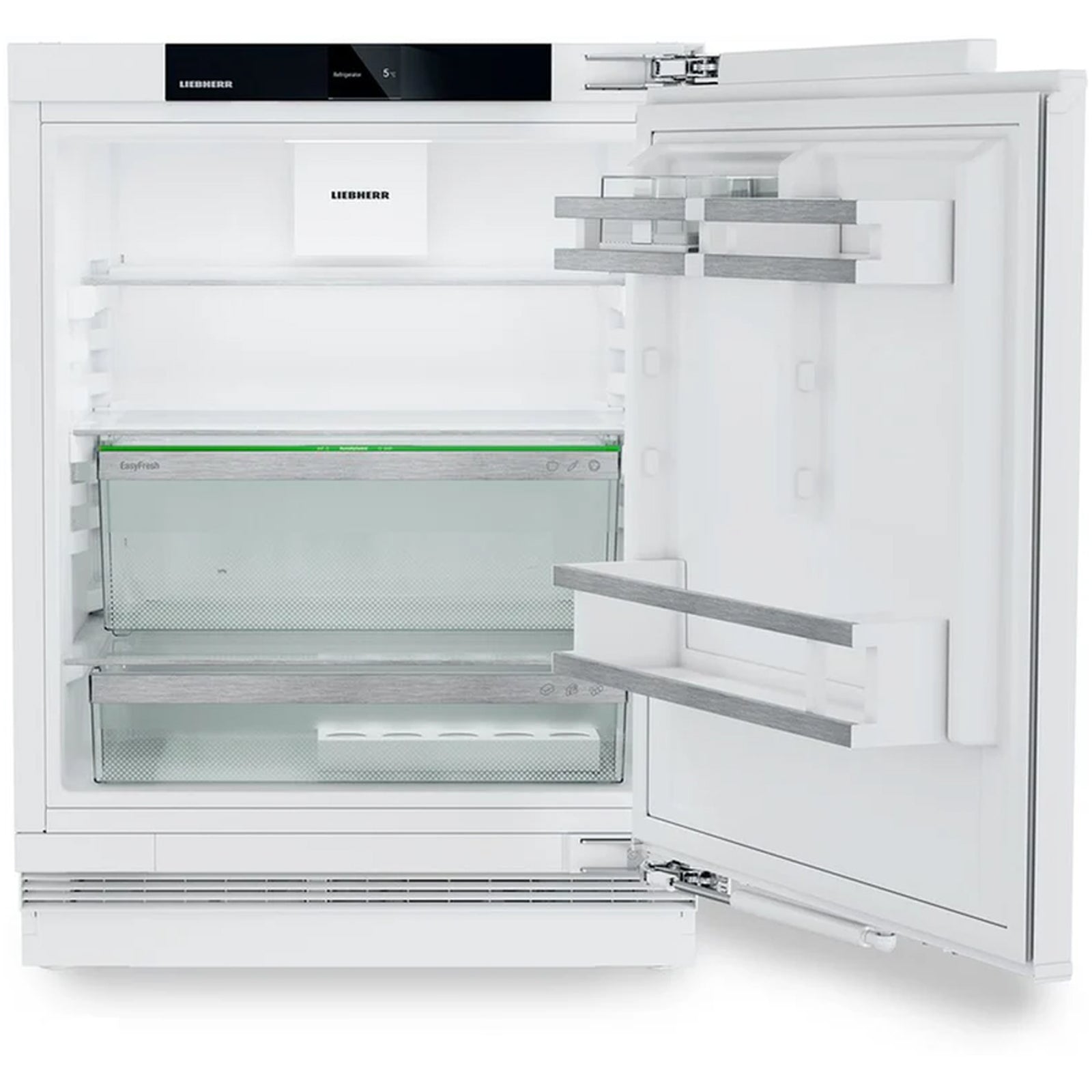
Why it ranks here: mid-range price per litre, energy class D, no guarantee length listed.
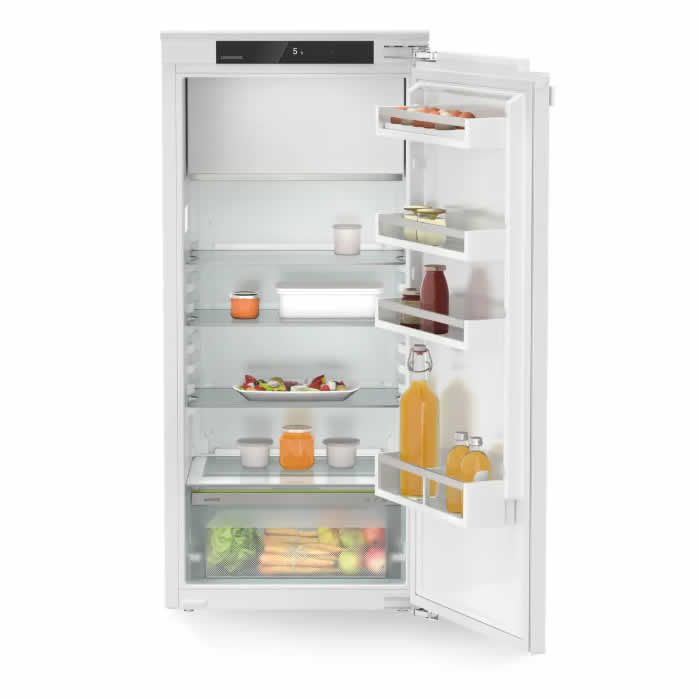
Why it ranks here: low price per litre, energy class E, 1-year guarantee.
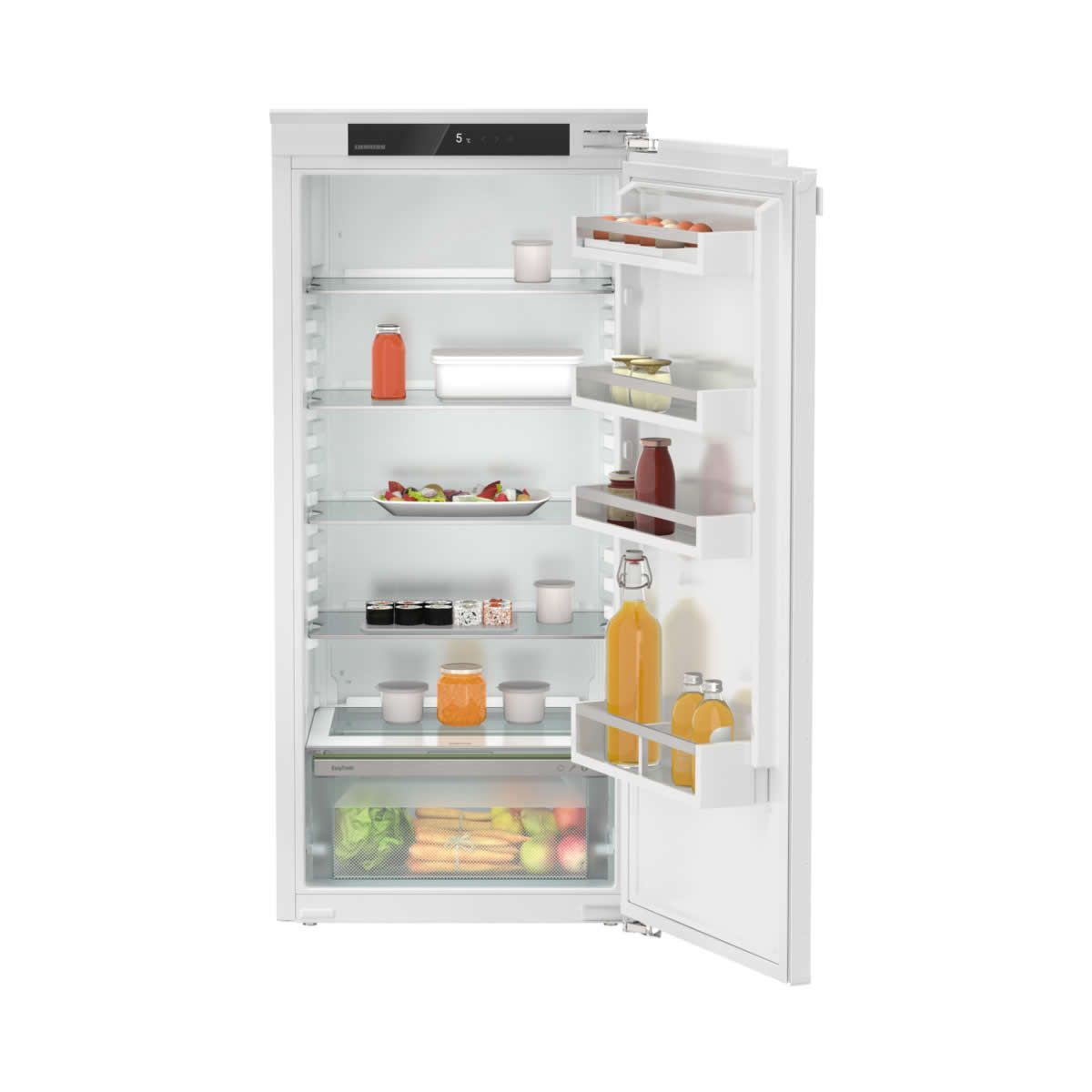
Why it ranks here: mid-range price per litre, energy class E, 1-year guarantee.
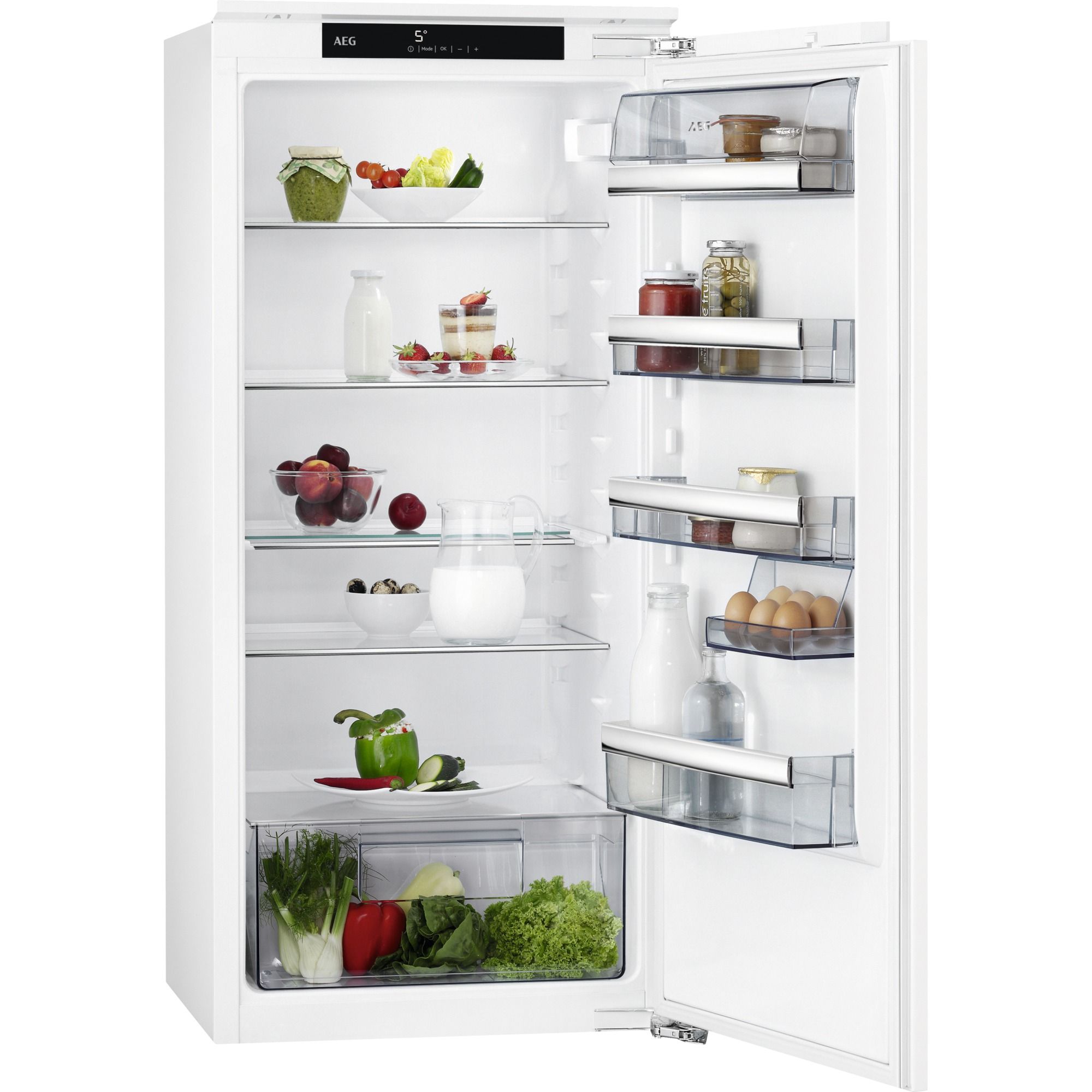
Why it ranks here: higher price per litre than most, energy class E, 2-year guarantee.
How we score. The value score is our own sum from the makers' listed specs and the retailer's price (inc VAT). It is not a customer review and we have not tested the fridges. 45% is the price per litre of fridge space against other fridges of the same height, 25% is the energy class (A best, G lowest), 15% is the guarantee length and 15% is the stated noise level. Give us the width of your space and fridges that will not fit are flagged.
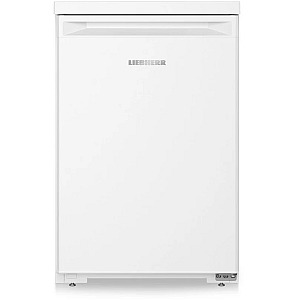
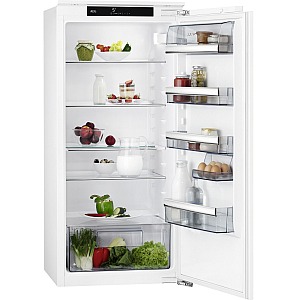
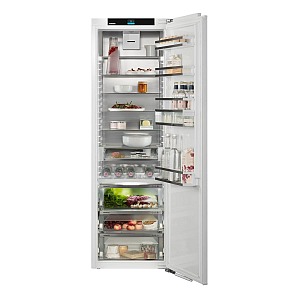
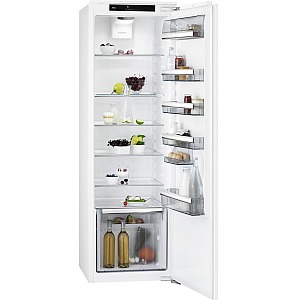
The Food Standards Agency says your fridge should be set between 0°C and 5°C, with the freezer around -18°C. That's 32°F to 41°F for the fridge if your thermometer only shows Fahrenheit. You'll find the same advice in the FSA's guide to chilling and freezing food safely.
So why isn't the ideal fridge temperature simply 5°C? Because the number on the temperature control is only a target. Open up, add a big shop or pack the shelves tight and the internal temperature drifts up for a while. Setting 3 or 4 degrees Celsius gives you a margin, so the food in the fridge stays under 5°C even on a busy day.
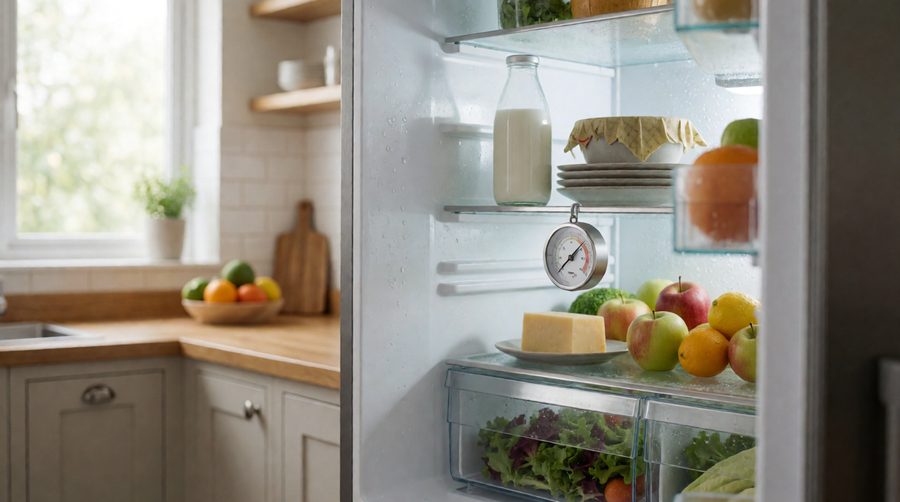
Each part of your kitchen's cold storage has its own ideal temperature. It works the same whether you own a fridge freezer or a larder fridge with a separate freezer.
The correct temperature for a freezer, or the freezer half of a fridge freezer, is -18 degrees Celsius. At that point bacteria aren't killed, they're paused, so frozen food keeps safely for months even though its quality slowly fades. A larder fridge has no freezer at all, so if you pair one with a separate freezer, check both. Most fridge thermometers read well below zero and work in either appliance.
Above 8°C most harmful bacteria can multiply quickly. The FSA calls 8°C to 63°C the danger zone. Chilled food should spend as little time in that range as possible.
A fridge doesn't kill bacteria. It slows them down. The colder it is (above freezing) the slower they grow. Listeria is the one to watch, as it can still grow slowly at fridge temperatures, which is why use-by dates matter even when everything feels cold.
Too warm and milk turns early, cooked meat goes slimy and you throw more away. Too cold and lettuce, cucumber and soft fruit freeze at the back, with ice crystals spoiling anything fresh. Getting the setting right cuts food waste as much as it helps with food safety and keeps food poisoning away.
Which? tested a lot of fridges and found that on the worst models the maker's recommended setting let the cabinet climb above 10°C. Their guide to storing food safely in the fridge is worth a read if you've never checked yours.
Don't trust the dial alone. A cheap fridge thermometer tells you what's really happening inside the cabinet. The FSA recommends checking it once a week.
A digital display shows the set temperature, not always the real one. Some models, such as the Liebherr IRBd 5150, show the actual reading when they're idle, which is handy. Even so, a thermometer is the only way to be sure.
Older fridges and many budget models have a numbered knob, often 1 to 5 or 1 to 7. On most of them a higher number means a lower temperature, because it sets how hard the thermostat works rather than a temperature. A middle setting is usually close to 4°C, but every appliance is different, so check the manual and then your thermometer. Most of the Beko larder fridges we list, such as the Beko LSG4545W, use a knob like this, as do the Hotpoint larder fridges such as the under counter H55R1.
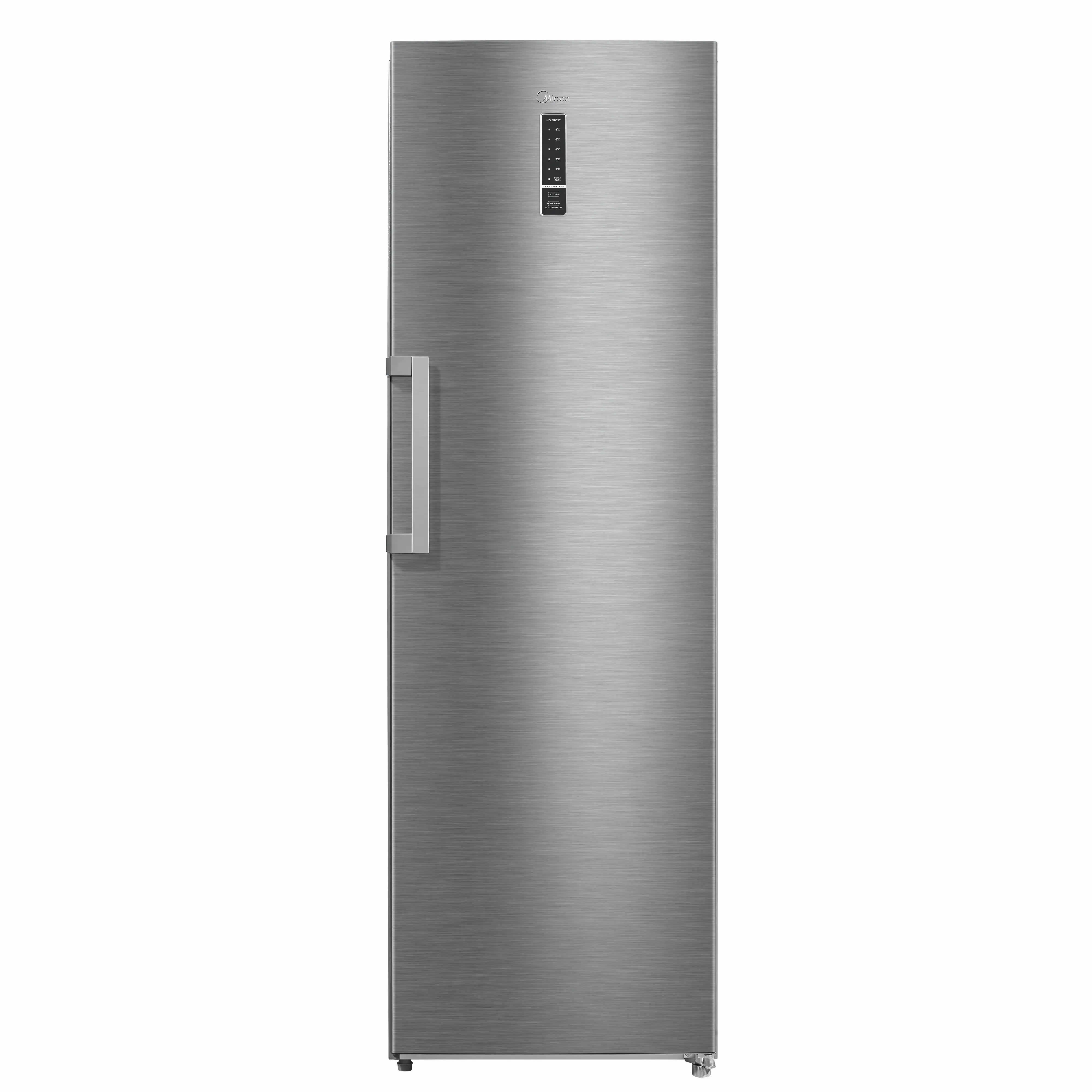
Digital and touch controls are easier. You choose the temperature in degrees and the fridge holds it, usually in steps of one degree. All the larder fridges listed here have one, from the Midea MDRD502MTE46 with its controls on the outside of the door to AEG's top panel touch controls.
A Super Cool or SuperCool button runs the compressor harder for a few hours, so a big shopping trip gets down to temperature fast. Press it before you unload, then let it switch back by itself. Liebherr's HolidayMode does the opposite. It holds the empty cabinet at about 15°C while you're away, saving energy and stopping odours. Clear the food out first, as 15°C is far too warm for anything perishable.
Cold air sinks, so in most fridges the bottom of the cabinet is the coldest spot and the door racks are the least cold. Fan-assisted models even out the difference, but this order for food storage still makes sense.
Keep ready-to-eat food up here, from dairy and cooked meat to leftovers and anything that doesn't need cooking. It's also the best temperature spot for your thermometer, as it gives a fair average.
Raw meat and fish, covered or in a sealed box. Stored down here it stays coldest and can't drip onto cooked food.
Fruit and vegetables belong in the drawers. A humidity drawer such as Liebherr's EasyFresh safe keeps them crisp for longer.
Drinks, sauces, jams and butter. Milk is happier inside the cabinet, as the racks climb above 5°C every time you open up.
Let leftovers cool before they go in, but get them stored within one to two hours. Then eat them within 48 hours or freeze them, as the FSA advises. And don't overload the shelves. Cold air needs room to move, so a packed fridge has pockets that never chill properly.
If the thermometer keeps reading high, work through the usual suspects before you blame the appliance. A fridge that runs warm also pushes up your energy bill, as the compressor rarely gets a rest.
Condensation, a compressor that never stops or food going off early are the next signs. Our fridge not cooling guide covers the fixes and when it's time for a new fridge.
Every fridge has a climate class, which tells you the room temperatures it's built to work in. SN covers 10°C to 32°C, N 16°C to 32°C, ST 16°C to 38°C and T 16°C to 43°C. Wide ranges such as SN-T suit a utility room or garage, where the air gets cold in winter. A fridge rated only N can struggle to keep the right temperature there. If yours lives outside the kitchen, look at our garage larder fridges.
Here are the larder fridges Electrical Discount UK has in stock with a digital temperature display. Specs come from the product listings. Prices change daily, so we show bands.
| Model | Type | Capacity | Control | Temperature extras | Climate class | Price band |
|---|---|---|---|---|---|---|
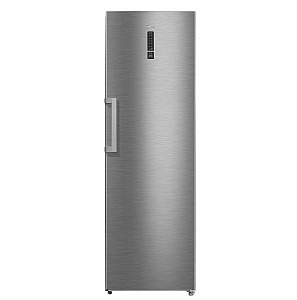
| Midea MDRD502MTE46 | Tall, freestanding | 359L | External digital | Super Cool, Total No Frost, Multi Air Flow | Not stated | £350 to £400 |
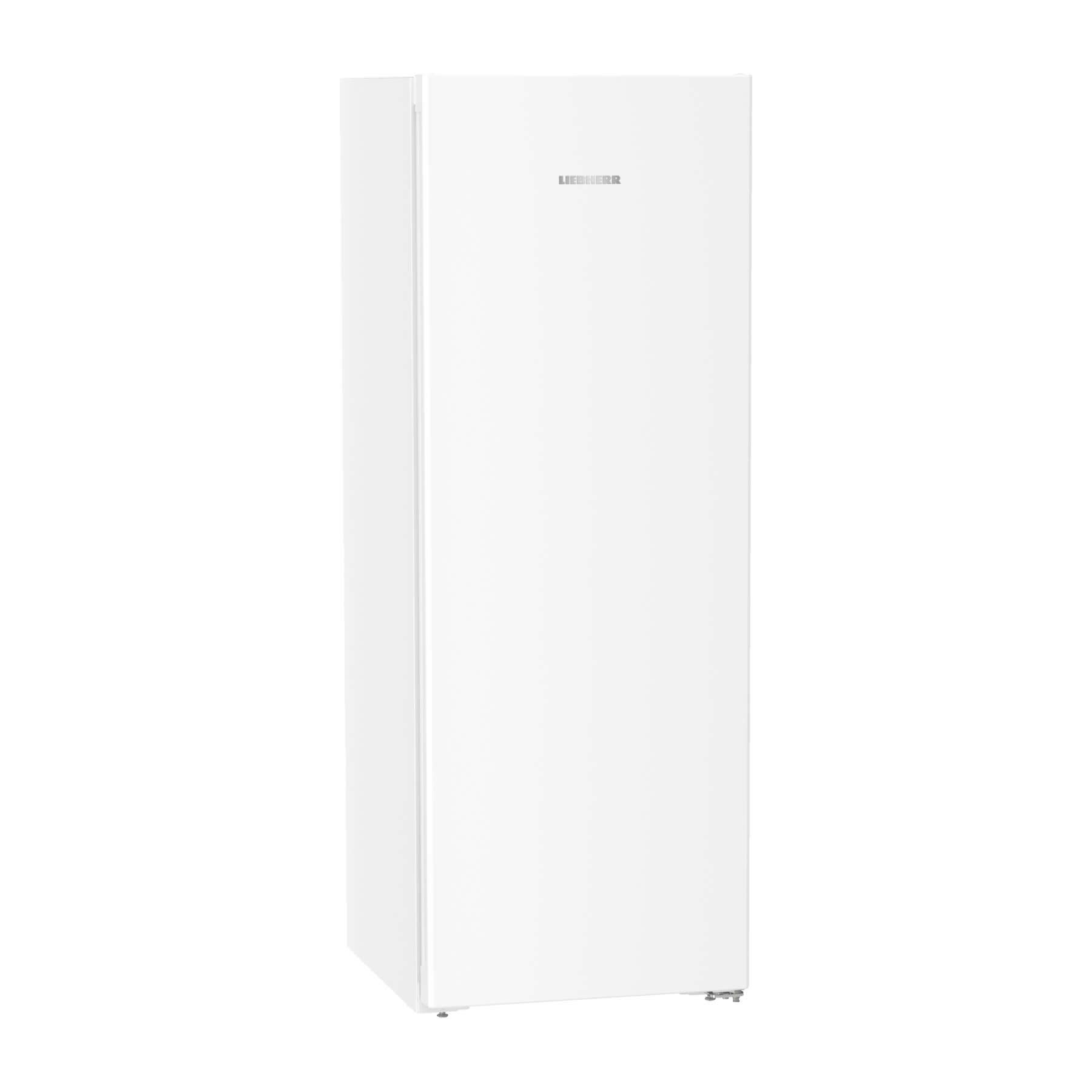
| Liebherr RD 5000 Pure | Tall, freestanding | 348L | Touch display | HolidayMode, EasyFresh | SN-T | £700 to £750 |
| Liebherr IRe 4101 Pure | Mid-height, integrated | 182L | Touch display | EasyFresh | SN-ST | £700 to £800 |
| Liebherr IRe 4100 Pure | Mid-height, integrated | 201L | Touch display | HolidayMode, display lock | SN-T | £850 to £900 |
| Liebherr IRe 5100 Pure | Tall, integrated | 308L | Touch display | EasyFresh | SN-T | £750 to £800 |
| AEG SKB812F1AC | Mid-height, integrated | 203L | Touch electronic | OptiSpace | SN-N-ST | £1,050 to £1,100 |
| AEG SKE818E1DC | Tall, integrated | 311L | Touch electronic | DynamicAir | SN-N-ST-T | £1,300 to £1,350 |
| Liebherr IRBd 5150 Prime | Tall, integrated | 296L | Touch and Swipe | SuperCool, BioFresh near 0°C | SN-T | Over £1,900 |
The Midea is the cheapest way to get a digital display and no frost cooling in a full height fridge. If you want fresh food kept closest to 0°C, the Liebherr IRBd 5150 with its BioFresh safes is the one to look at. For an even temperature from top to bottom, AEG's DynamicAir fan is a real help. Want to see more from one brand? Browse our Liebherr larder fridges.
Between 0°C and 5°C. The ideal fridge temperature for most homes is 3 or 4°C, checked with a thermometer once a week. The same goes for the fridge half of a fridge freezer.
Yes, it's too warm. It's above the 5°C limit the FSA recommends and close to the 8°C mark where harmful bacteria start to multiply quickly. Turn the control colder and check again the next day.
On most UK fridges the highest number is the coldest setting. A few work the other way, so look at the label inside the door or the instructions.
Usually a few hours, though some makers suggest waiting longer before you fill it. Stand it upright first if it travelled on its side, then switch on and let the cabinet cool with the door shut.
Yes, a little, because each step down makes the compressor run longer. There's no point going below 3°C unless your thermometer says you need to. If you want a lower energy bill, see our energy efficient fridges.
Only if your thermometer says so. A hot kitchen and more opening and closing can push the temperature up, so check it more often in a heatwave. Food labels still apply too. The FSA's advice on best before and use-by dates explains the difference.